

Planning a trip independently is no longer complicated. With digital tools, open data, and global booking platforms, travelers can design efficient and affordable trips without relying on travel agents or packaged tours. The key is not experience — it is structure and decision logic.
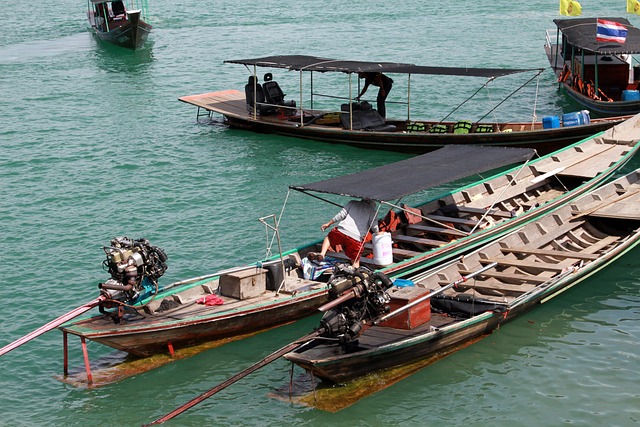
The first step is defining a clear budget framework. Instead of guessing costs, break your budget into four categories: transport, accommodation, food, and activities. This creates financial boundaries that guide every decision. Without this structure, travelers often overspend emotionally instead of logically.
The second step is destination selection. Budget travel starts with choosing destinations that naturally support low-cost living. Countries and regions with affordable public transport, local food systems, and budget accommodation infrastructure reduce daily expenses without sacrificing experience. Cost efficiency is more important than popularity.
Next comes planning infrastructure. Use multiple comparison platforms for flights, transport, and accommodation instead of relying on a single source. Cross-checking prevents price manipulation and algorithm bias. Always compare flexible dates and alternative routes to identify hidden cost reductions.
Accommodation planning should focus on location efficiency, not luxury. Staying near transport hubs reduces daily travel costs and time waste. A slightly higher room price often results in lower overall trip expenses due to reduced mobility spending.
Daily planning should remain flexible but structured. Instead of fixed schedules, design travel zones — areas where multiple activities are reachable on foot or by low-cost transport. This system prevents unnecessary movement costs.
Finally, always maintain a contingency buffer. Unexpected expenses, delays, or changes are part of travel reality. A small financial buffer protects the entire plan from collapse.
Conclusion:
Budget travel is not about discomfort. It is about intelligent structure, rational planning, and disciplined decision-making. Independent planning creates freedom, reduces costs, and builds real travel control.